
Transforming Interblock's physical Golden Ball Roulette ETG into an online Live Casino experience. The project involved adapting the original game's distinctive mechanics into a mobile interface, combining traditional roulette betting, the proprietary GOLD side bet and live-streamed gameplay.
Context
Golden Ball Roulette is an electronic table game developed by Interblock, combining traditional roulette with a proprietary side-bet mechanic.
Awager identified an opportunity to bring this established physical casino game online, allowing customers to remotely access real gaming cabinets through a live-streamed experience.
As Lead Product Designer, I was entrusted with the project’s creative direction and complete frontend experience. Drawing on my previous experience at Pragmatic Play and Microgaming, I took ownership of the UX architecture, interaction patterns and visual design, translating the business objective into a comprehensive digital product.
Details
Company:
Awager
Time Frame:
Oct 23 – Apr 24
Role:
Lead Product Designer
Involvement:
Game UI/UX, Prototyping
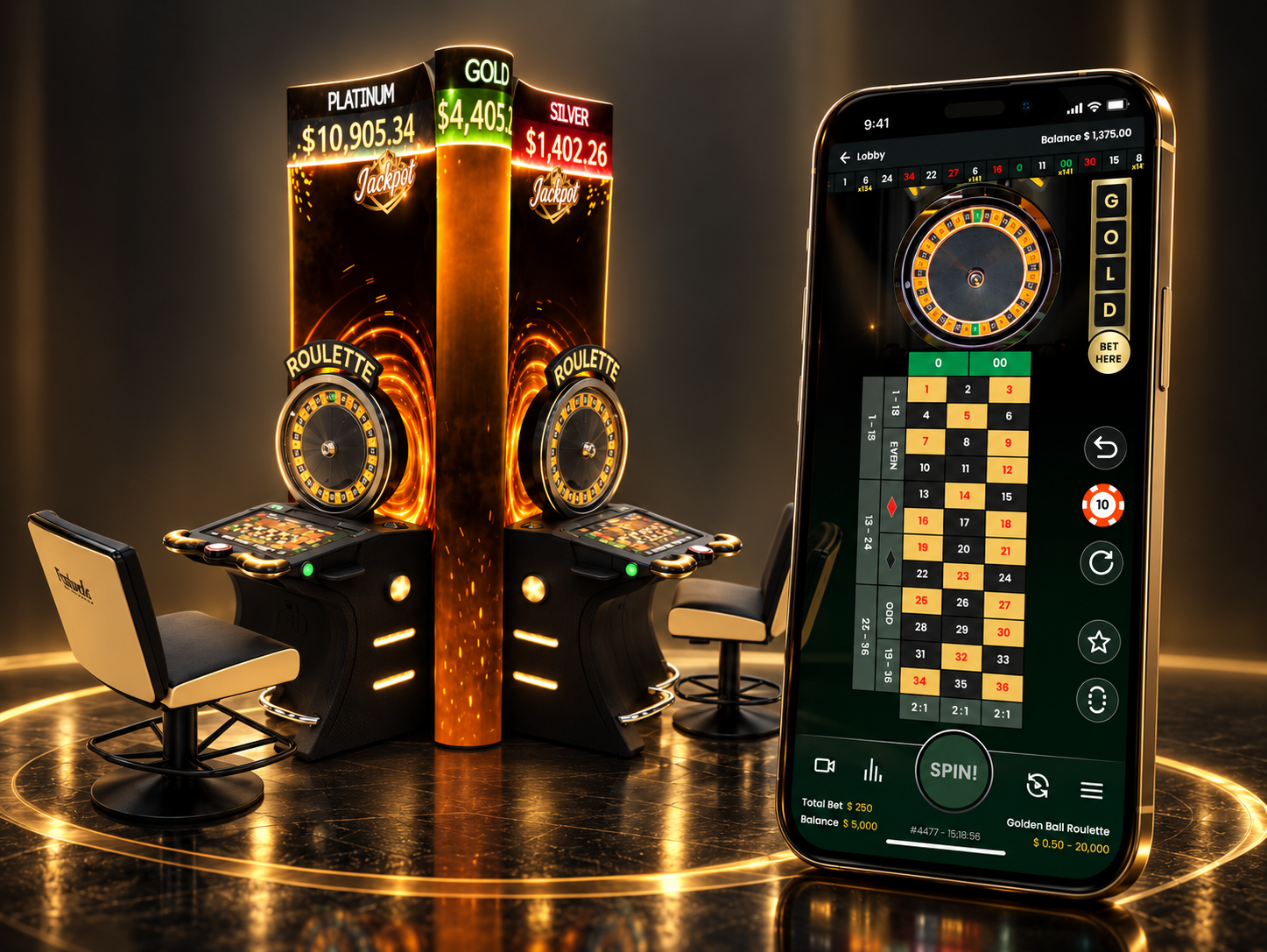
Overview
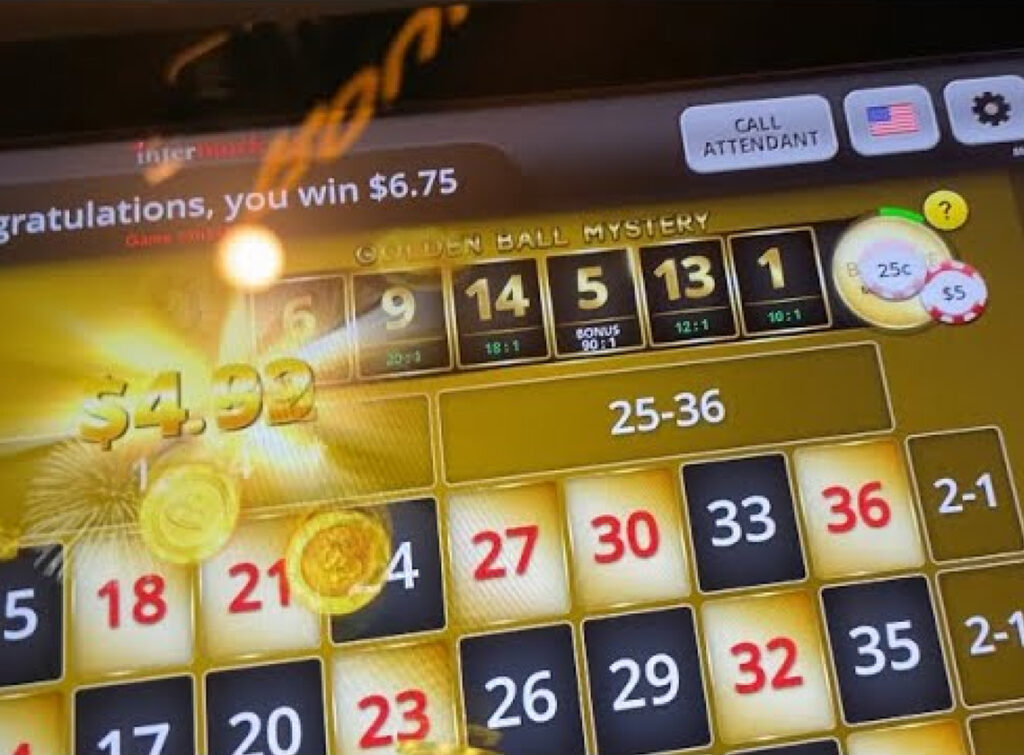
The online adaptation retains the defining characteristics of Interblock’s original game, including conventional roulette betting and the distinctive GOLD side bet, which introduces additional winning opportunities through four randomly selected numbers.
Unlike conventional online roulette, the experience connects each remote player to a dedicated physical gaming cabinet, allowing them to follow the action through a live video stream.
The mobile interface supports multiple betting configurations and adapts to the different stages of gameplay, providing players with familiar roulette interactions while maintaining a connection to the physical machine.
Challenge
The primary challenge was translating an established electronic table game, originally designed around dedicated casino hardware, into an intuitive mobile experience without compromising its distinctive mechanics.
Traditional roulette betting, chip selection, alternative betting options and the proprietary GOLD side bet needed to coexist within the limited screen space of a mobile device.
The experience also introduced specific technical and interaction constraints. Each player needed exclusive access to a physical cabinet, while the digital interface had to accommodate a live video stream without overwhelming the betting controls.
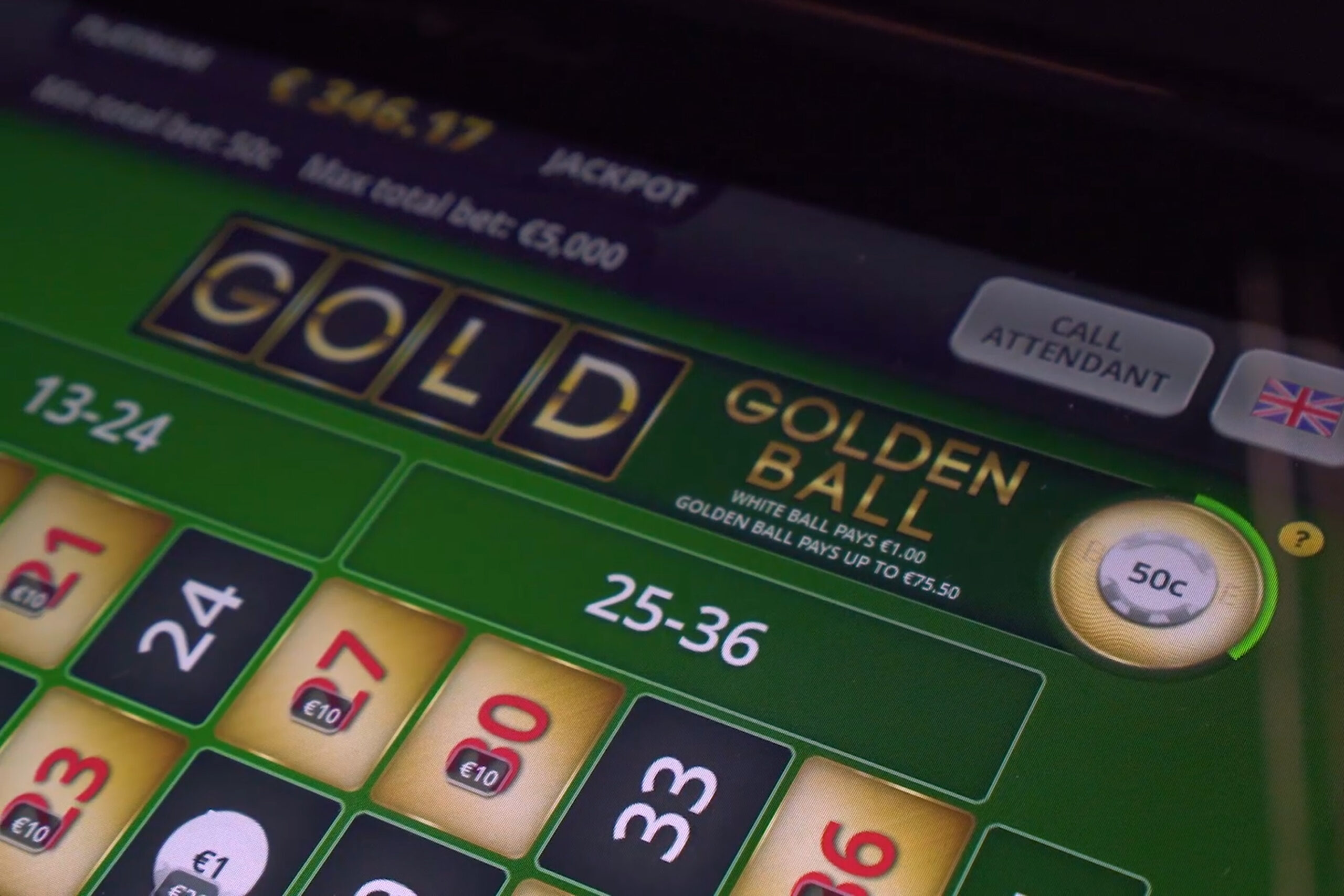
Finally, the GOLD mechanic required particular attention to information hierarchy, ensuring that players could distinguish between conventional roulette betting and the additional side bet while following the corresponding results.
Process
The design process focused on defining an interaction model that could accommodate the original game’s mechanics within a live-streamed mobile environment.
Working alongside the development team, we addressed the requirement of connecting one remote player to each physical cabinet. Our technical approach involved integrating a Raspberry Pi equipped with a camera, enabling live video capture and digitally controlled zoom functionality.
I explored different interface layouts and interaction patterns, drawing on established Live Casino UX conventions from products developed by companies such as Evolution and Pragmatic Play. These familiar patterns provided a foundation for adapting the game’s betting interactions without introducing unnecessary complexity.
Through iterative design and interactive prototyping, I developed alternative betting configurations and explored how the interface should respond to different gameplay phases. Usability testing supported the evaluation and refinement of these interactions throughout the design process.
A Hands-On Approach
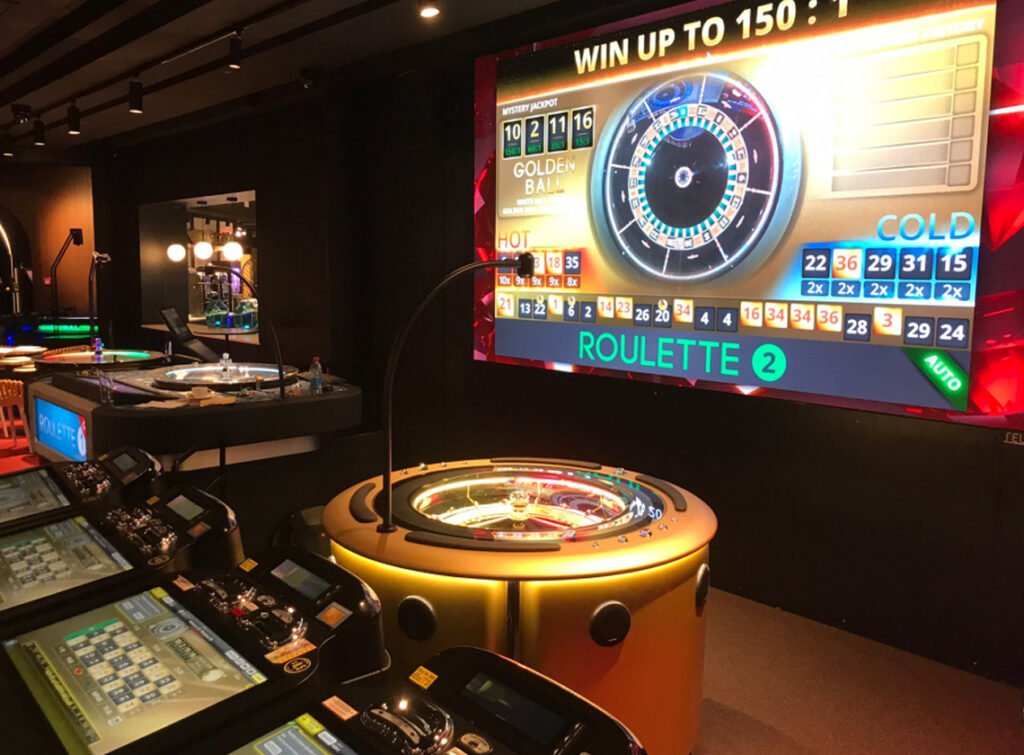
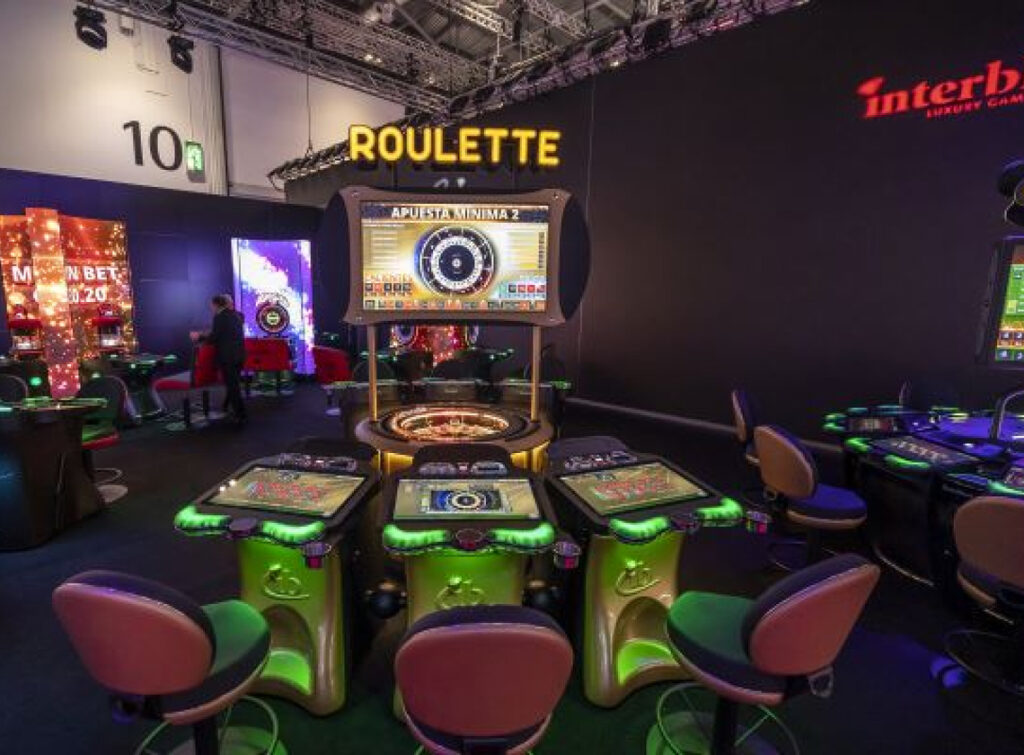
Understanding the original product required more than studying its technical specifications. I wanted to experience Golden Ball Roulette from the player’s perspective before making fundamental decisions about its digital adaptation.
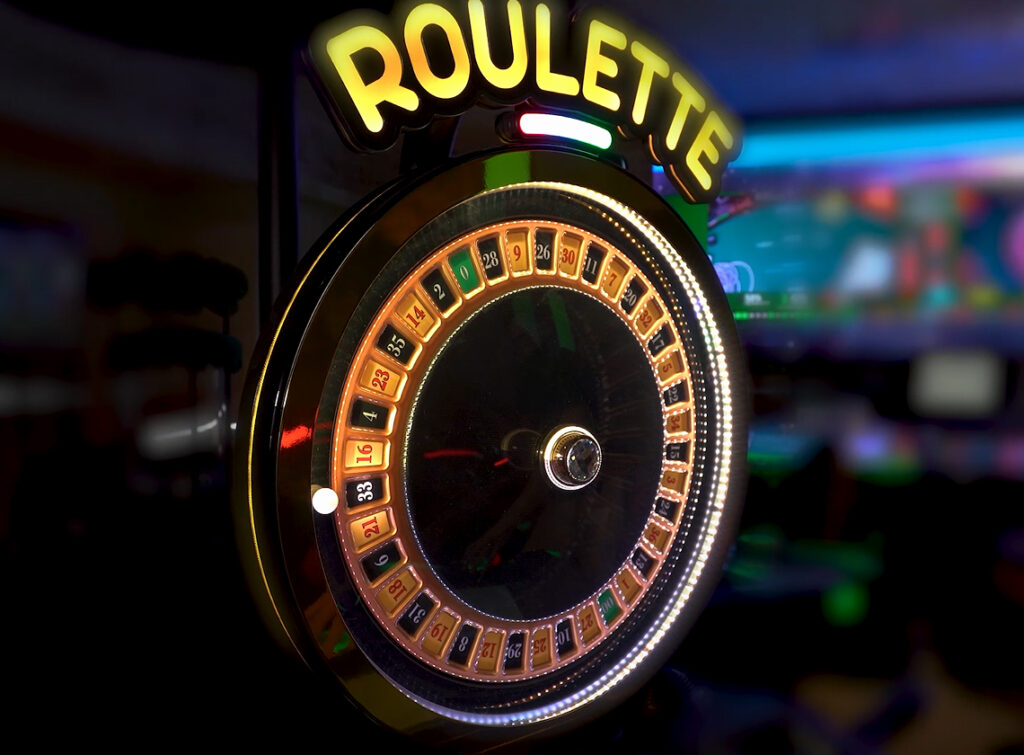
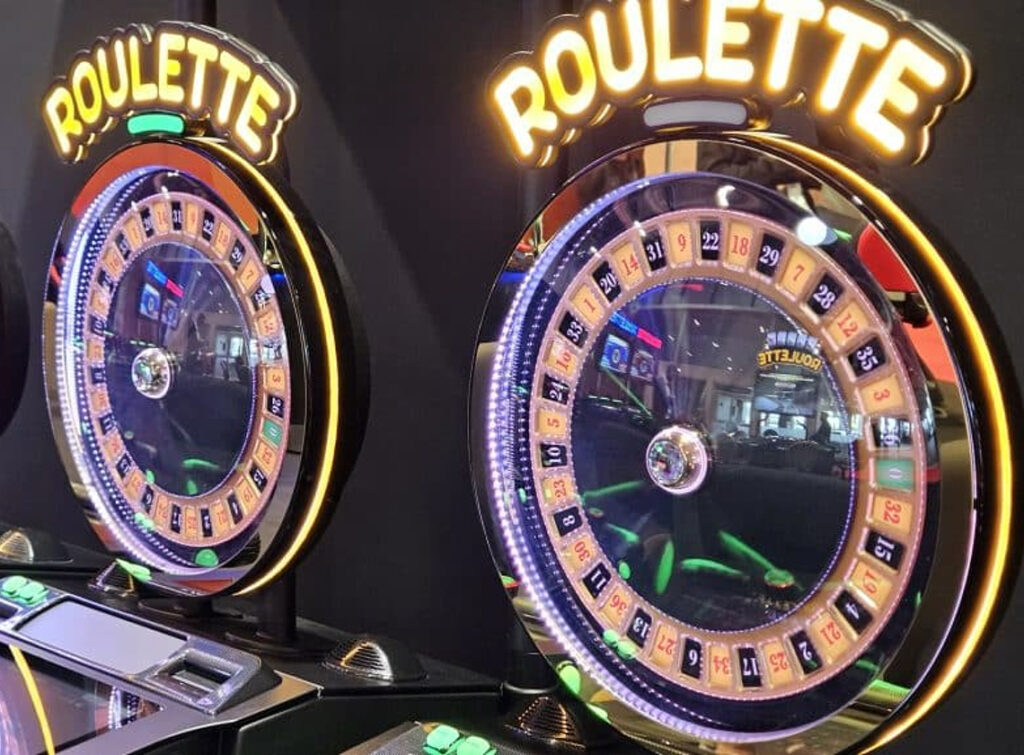
I traveled on multiple occasions to play the physical machine firsthand, observing its gameplay mechanics, betting interactions and the relationship between the electronic terminal and the physical roulette wheel.
These visits helped me distinguish between interactions that were essential to the original experience and those that could be redesigned for online gameplay.
Combining these observations with my previous Live Casino experience, I established a foundation for the product’s interaction model, preserving the recognizable characteristics of the physical game while adapting them to the expectations of online players.
Solution
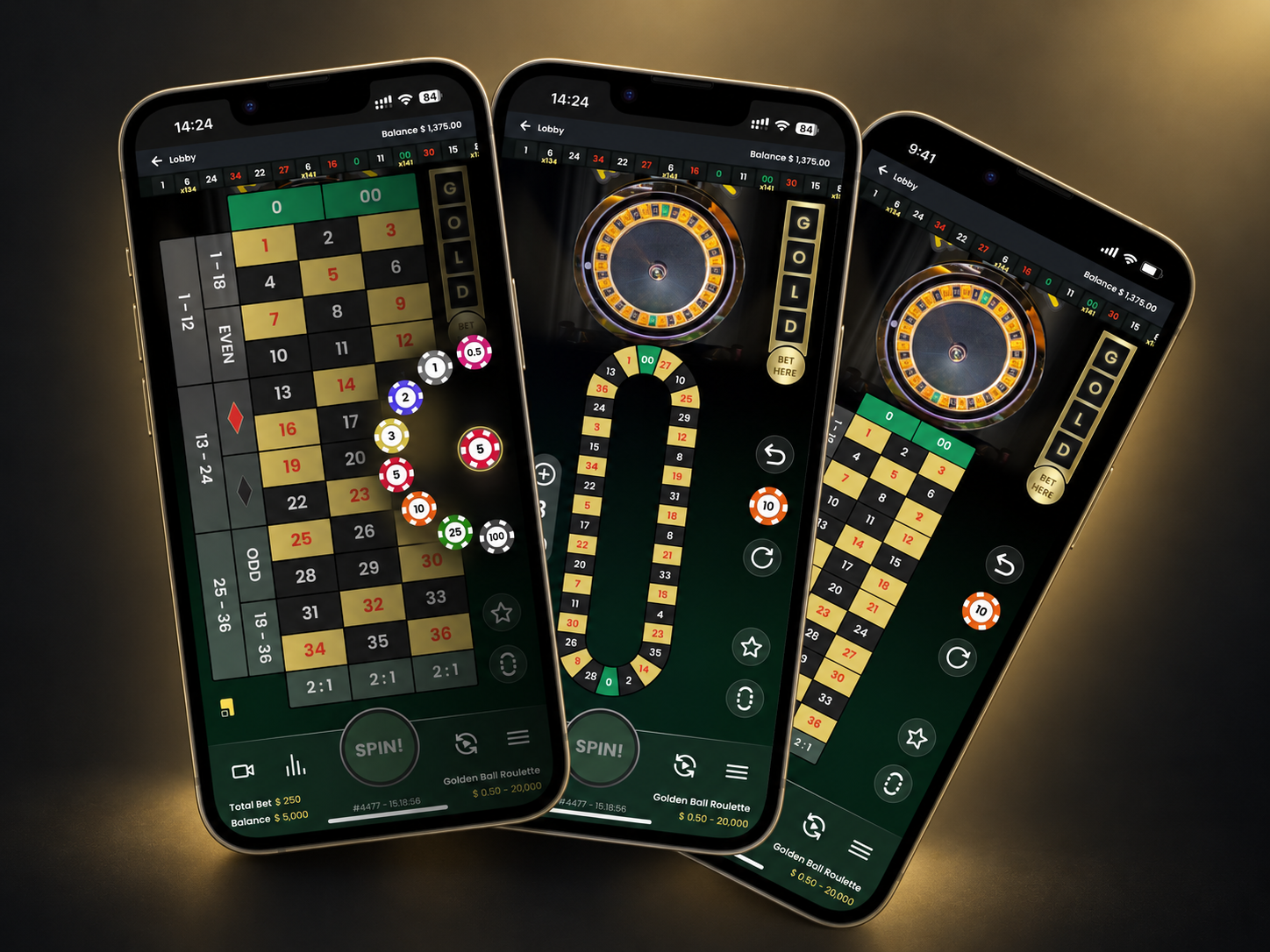
I designed a complete mobile gaming interface that combines traditional roulette functionality with Golden Ball Roulette’s distinctive mechanics, using an interaction model tailored to remote gameplay.
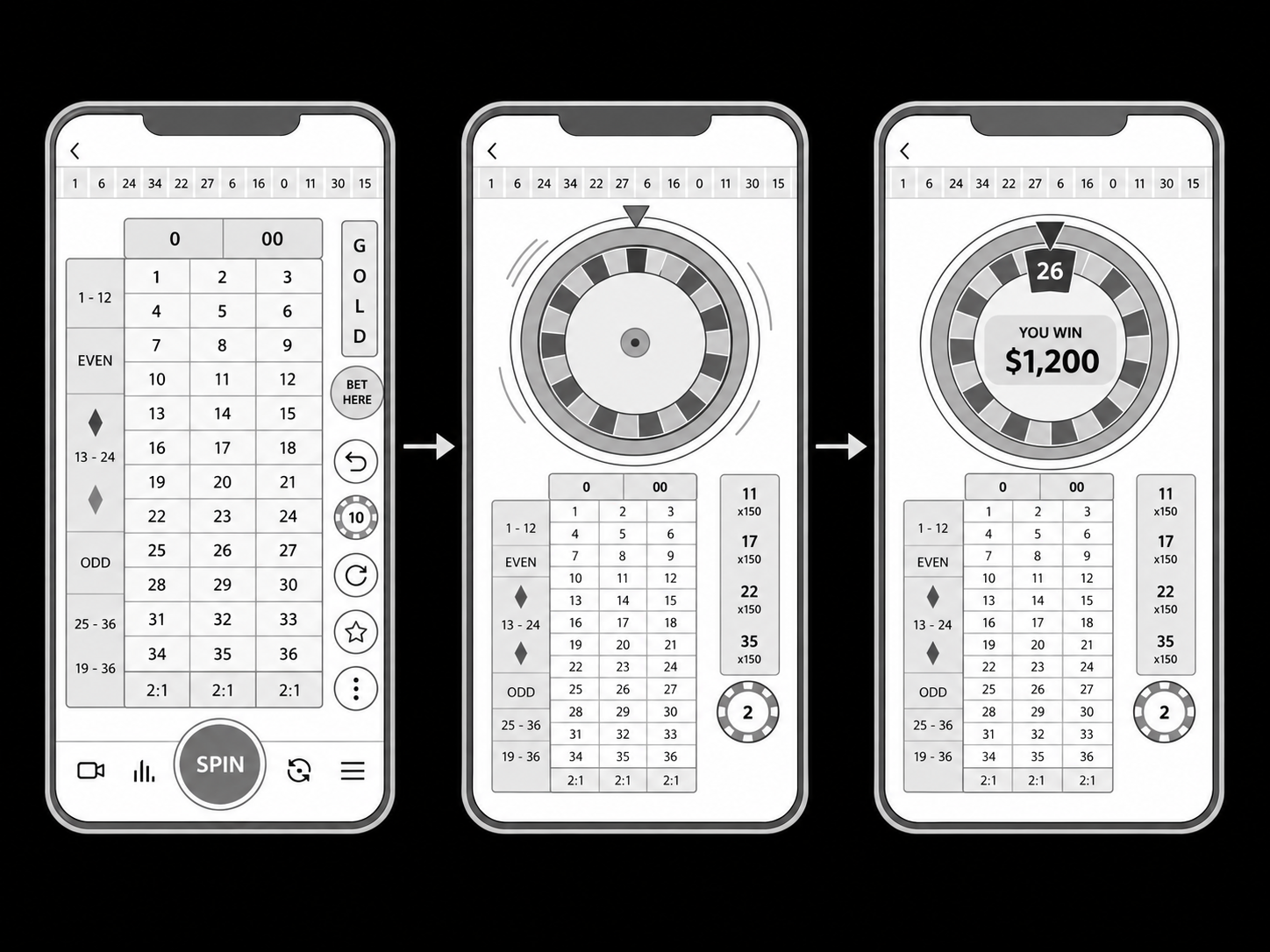
The interface introduces two betting configurations: an enlarged default betting board that prioritizes traditional roulette interactions and a compact alternative that provides greater visibility of the live roulette wheel. An expandable chip selector and an integrated racetrack accommodate additional betting options without requiring players to navigate away from the main interface.
The GOLD side bet is incorporated directly into the betting interface, maintaining a clear visual relationship with conventional roulette betting. As gameplay progresses, the letters are replaced by their corresponding numbers, allowing players to follow the additional mechanic and its potential outcomes.
To accommodate the different stages of a roulette round, I designed a dynamic interface that adjusts the balance between betting controls and the live video stream. During the betting phase, interaction takes priority. During spinning and results, the interface gives greater prominence to the physical roulette wheel and the outcome of the round.
The camera integration and digital zoom functionality support this transition between physical gameplay and digital interaction, helping maintain a connection to the original casino experience.
Results
The project delivered a complete product design for Awager’s online adaptation of Interblock’s Golden Ball Roulette, covering the UX architecture, interaction design, visual direction and interactive prototypes.
Working in collaboration with the development team, I defined the frontend experience and addressed the challenges of integrating a physical gaming cabinet, live video and complex betting mechanics into a mobile product.
The design process combined firsthand research, industry experience, iterative prototyping and usability testing to establish a cohesive digital experience built around the original game’s distinctive characteristics.
Although the product ultimately did not reach commercial release, the project demonstrates my ownership of a complex product design initiative, from understanding the original physical experience to developing its digital counterpart.